Jul 16, 2026
Why great AI teams are built between releases, not during them
There’s something I’ve found interesting over the last year or so.
Whenever we sit down with a CTO or Head of Engineering to talk about hiring, the conversation almost never starts with recruitment. It starts with the product they’re building, the challenges they’re facing or the direction they want to take the business.
Hiring usually comes later.
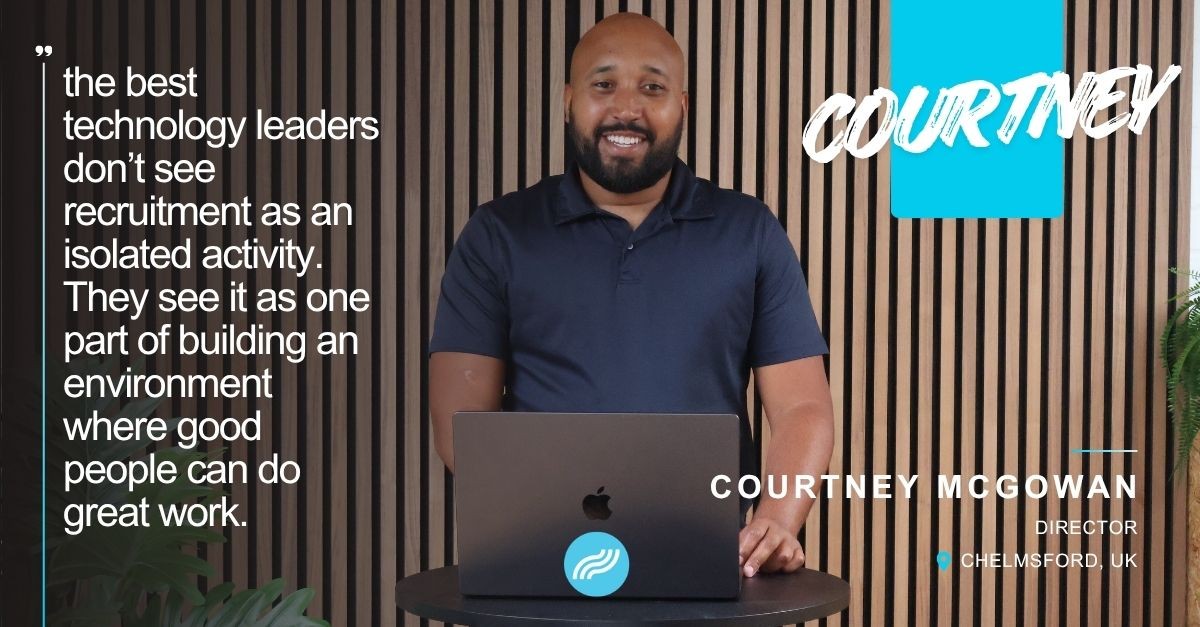
I think that’s because the best technology leaders don’t see recruitment as an isolated activity. They see it as one part of building an environment where good people can do great work.
That distinction feels more important than ever in the AI era.
It’s easy to become fascinated by the pace of change. Every week there’s another model, another framework or another announcement promising to transform software development forever. Spend enough time on LinkedIn and you’d be forgiven for thinking every engineering team is rebuilding itself from scratch every month.
The reality is much quieter than that.
The strongest teams we’ve come across aren’t chasing every new piece of technology. They’re taking the time to understand it, experiment with it and decide where it genuinely improves the way they build products. They’re curious, but they’re also disciplined.
What really stands out is what happens between product releases.
That’s where culture is built.
It’s the conversations after stand-ups where someone shares a new way of solving a problem. It’s the engineer who spends half an hour helping someone else understand a concept they struggled with the week before. It’s the product manager bringing engineers closer to customer feedback, or the architect explaining why a seemingly simple shortcut might create technical debt six months from now.
Those moments never make headlines, but they’re often the reason great products exist in the first place.
AI has made those conversations even more valuable.
No one has all the answers anymore. The technology is moving too quickly for that. Even the most experienced engineers are learning constantly, trying new tools and adapting the way they work. The teams that embrace that shared learning seem to move faster than the ones relying on a handful of experts to carry everyone else.
That’s one of the biggest changes we’ve noticed through our conversations with engineering leaders this year. More and more, they’re describing the people they value most in remarkably similar ways. Technical ability is still a given, but it isn’t the thing they talk about first anymore.
Instead, they describe engineers who ask good questions, who are comfortable admitting they don’t know something and who genuinely enjoy figuring things out with the people around them. They talk about individuals who are curious enough to explore new technologies but experienced enough to know when not to use them. In a market where new tools appear almost daily, that balance has become incredibly valuable.
Perhaps that’s because AI isn’t making engineering simpler; it’s changing where the complexity sits. Writing code is becoming faster in many cases, but deciding what to build, how to integrate it into existing systems and how to create something that genuinely improves the customer experience still relies heavily on human judgement. Those are conversations, not prompts.
It’s also changing what leadership looks like. The engineering leaders making the biggest impact don’t seem to have all the answers. Instead, they’re creating environments where it’s safe to experiment, where ideas can be challenged constructively and where learning is part of the job rather than something squeezed in after hours.
When you spend time with teams like that, you can usually feel it quite quickly. There’s a confidence that comes from people trusting each other. Knowledge moves naturally, problems are solved collaboratively and success belongs to the team rather than the loudest individual in the room.
Those things are difficult to measure, but they’re often what separates a good engineering culture from a great one.
Maybe that’s why, despite all the excitement around AI, the conversations we enjoy most with CTOs and engineering managers still come back to people. Technology will continue to evolve, and the tools we use in five years’ time will almost certainly look different from the ones we’re using today. The organisations that consistently build exceptional products will still be the ones that create environments where talented people can learn, challenge each other and enjoy solving difficult problems together.
That feels like something worth investing in, regardless of what the next AI breakthrough looks like.
Courtney
Director
Articles