Mar 15, 2026
Meet Charlie - From no recruitment experience to building a Python market
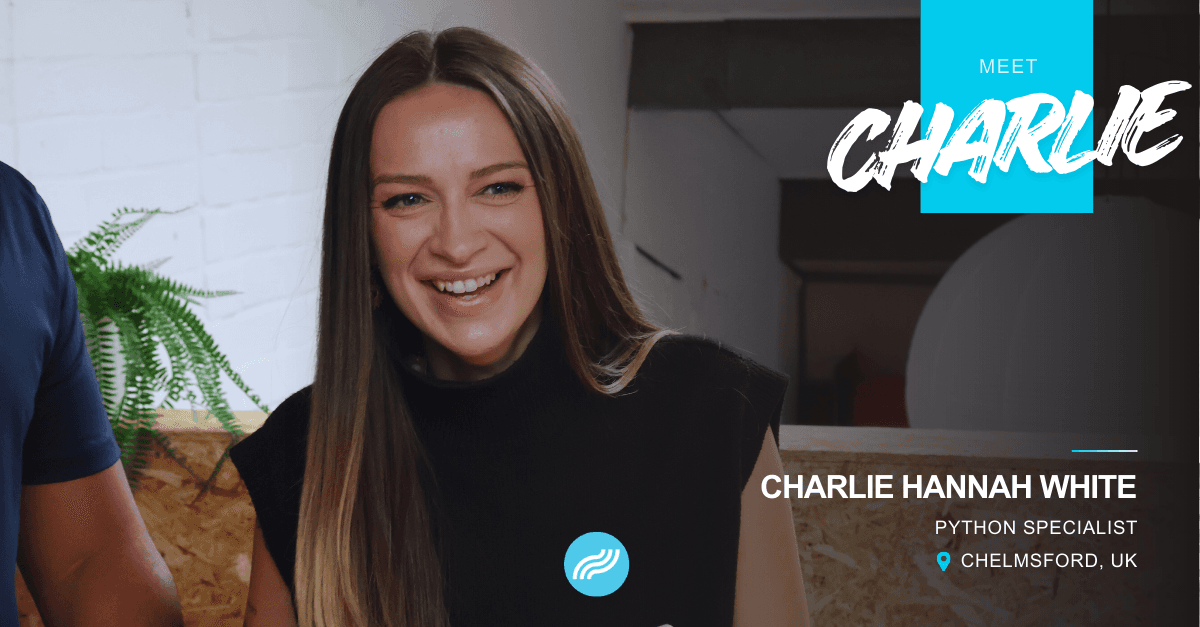
A conversation with Charlie at Tides
Not everyone in recruitment starts with years of experience in the industry.
Some of the strongest consultants actually begin with curiosity, work ethic and the right environment to learn in.
Charlie joined Tides without much previous recruitment experience and has quickly become a specialist recruiter working in the Python engineering market, one of the most in-demand areas of modern technology.
We caught up with her to talk about how she made the transition.
So Charlie, what were you doing before joining Tides?
Before joining Tides I actually had no recruitment experience at all.
I came from a completely different background and didn’t really know much about the industry day-to-day. What interested me was the opportunity to learn quickly and work in a market that’s constantly evolving.
The AI and technology space felt really exciting, and Python in particular is such a central language across data, AI and modern engineering. Being able to specialise in that market was something that really appealed to me.
Was it intimidating starting in recruitment without experience?
At the beginning, yes.
Recruitment moves quickly and there’s a lot to learn, especially when you’re working in a technical market. But the support and training at Tides made a huge difference.
From the start there was a very clear focus on understanding the market properly, not just learning recruitment basics.
What kind of training did you receive?
The training was incredibly specialist.
Scott and Courtney spent a lot of time helping me understand the Python market, the types of engineers companies are hiring, the technologies they work with and how those roles fit into modern product and AI teams.
It meant that quite quickly I wasn’t just talking to candidates about job titles. I could have real conversations about their work, their projects and the technology they were using.
Alongside that, there was also ongoing coaching around the recruitment process itself, how to run client conversations, manage processes and build long-term relationships in the market.
It’s a combination that really accelerates your learning.
When did things start to click?
Once I understood the market and the process, things started to build momentum.
The first placement is always a big moment because it shows that everything you’ve been learning works in practice. After that it becomes about building consistency and growing your network.
Now I’m working with Python engineers and companies across the market regularly, and placements are happening much more frequently.
What’s the team environment like at Tides?
It’s a very supportive environment.
Everyone works hard but people genuinely want each other to succeed. There’s a lot of sharing of knowledge and experience, especially when you’re building out new markets.
Because we work in AI, data and modern engineering, the conversations we have every day are also really interesting. You’re constantly learning about new technologies and companies doing exciting things.
What advice would you give someone thinking about starting in recruitment?
Be open to learning and don’t worry if you don’t come from the industry.
If you’re curious, willing to work hard and in the right environment with good training, you can progress very quickly.
For me the biggest thing was having mentors who really understood the market and were willing to invest time in teaching it properly.
Final question, what’s the best part of the job now?
Seeing everything come together.
You spend time building relationships with candidates, understanding what companies are trying to build and then helping the right people connect.
When that turns into a placement and you know you’ve helped both sides move forward, it’s a great feeling.
Interested in joining the team here at Tides Digital?
As the AI and technology markets continue to grow, we’re expanding the team at Tides.
If you’re curious about recruitment and want to work in markets like AI, data and Python engineering, we’d love to hear from you.

Articles